Listen to Melinda’s story.
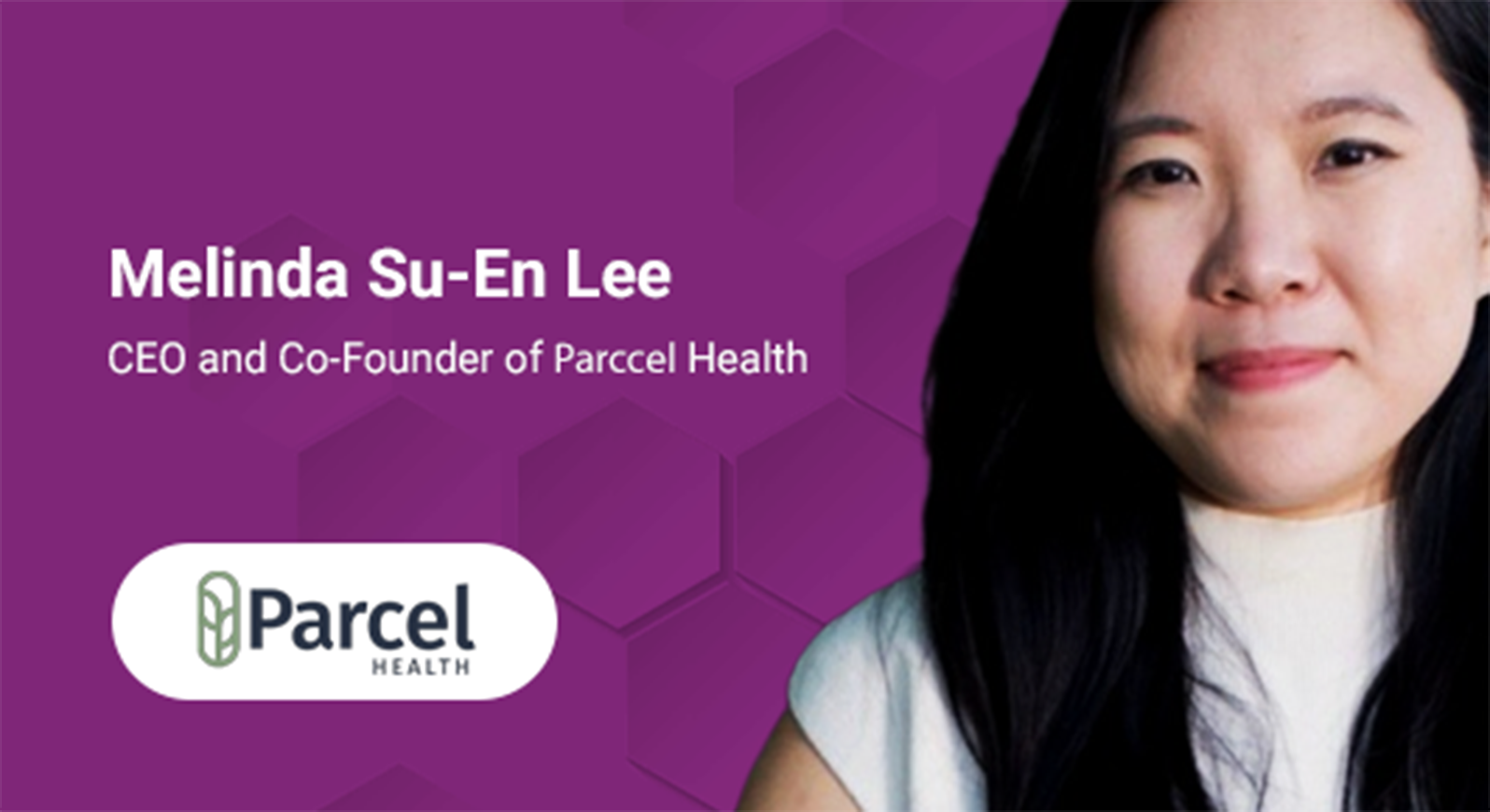
Meet Melinda Su-En Lee, CEO and Co-Founder of Parcel Health
When Melinda Su-En Lee was growing up in Malaysia, she could not have imagined that one day she would become a PharmD working on the front lines of patient care. Nor could she have guessed that her clinical career would ultimately lead her into healthcare sustainability. But even as a child, one thing was clear: she cared deeply about fairness and making systems work better for everyone.
That instinct stayed with her as she moved to the United States at 19 and eventually earned her Doctor of Pharmacy degree. In her years behind the pharmacy counter, Melinda experienced firsthand the realities of care delivery: the pressure on pharmacists, the confusion patients face, and the waste built into everyday workflows. She dispensed hundreds of thousands of the same plastic pill bottles, knowing many would end up in landfills. She also saw how packaging design could drive up costs unnecessarily for both pharmacies and patients.
“I realized that so many parts of healthcare were failing not because people did not care, but because the tools we used were not built with sustainability or affordability in mind,” she says.
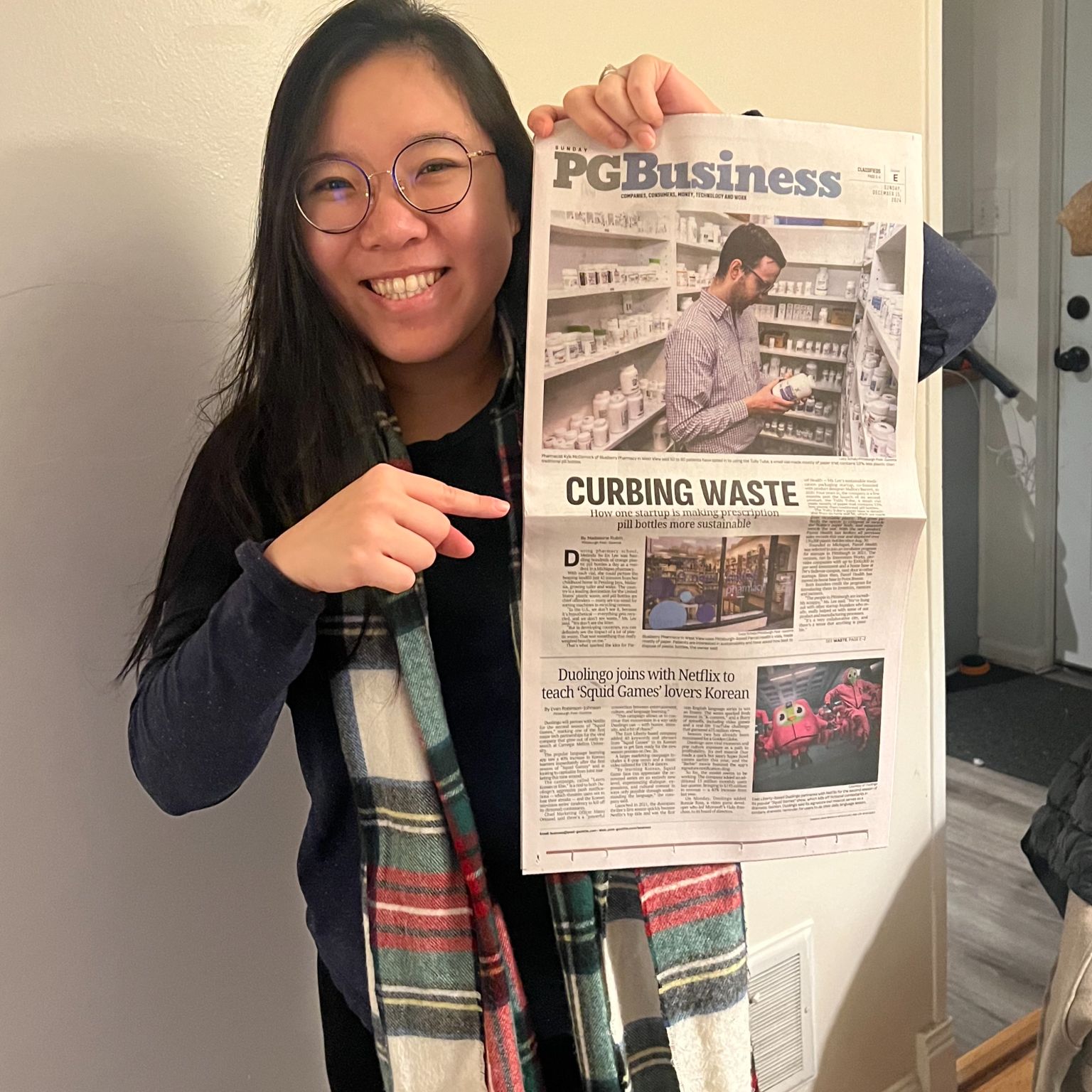
Today, as CEO and Co-Founder of Parcel Health, Melinda is transforming one of those everyday tools. The Tully Tube, a pharmacy-ready paper pill bottle, is designed to dramatically reduce plastic waste and generate cost efficiencies for pharmacies, payers, and ultimately patients. Her journey from Malaysia to pharmacist to climate-focused founder is rooted in a core belief she has carried all along: when you improve the system for the people delivering care, you improve it for everyone who depends on it.
Q: Growing up, what did you want to be?
When I was growing up, I really wanted to be a politician. I wanted to run for office in Malaysia. But because of racial discrimination, it is very hard for someone of my racial background to do that.
And when I moved to the United States, that also became not possible because I am an immigrant.
But I have realized that starting a company is almost like being a politician. You get to establish the benefits, the rights, and the vision for your team. You still get to fight for change.
Q: You grew up in Malaysia. What was your childhood like, and when did you come to the U.S.?
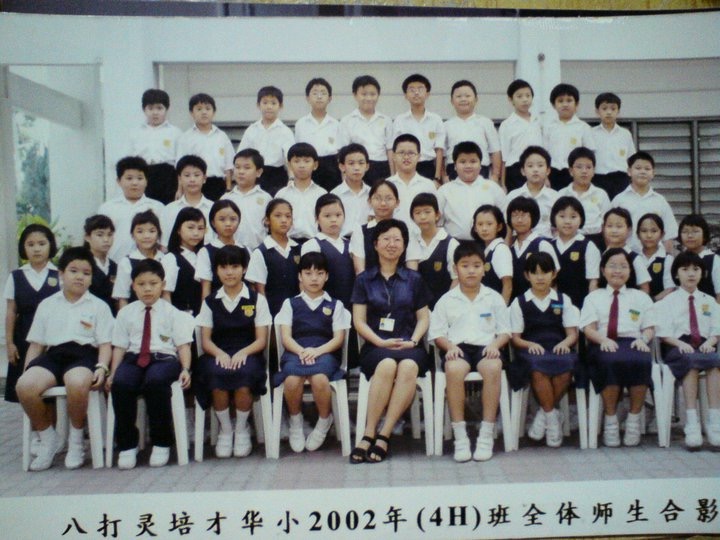
Malaysia is tropical, so there are no seasons. It is just hot. I went to government school my whole life. I moved to the U.S. when I was 19 for college. I went to Stony Brook University in New York, and that was my first time ever leaving Malaysia.
Q: Was moving to New York at 19 a huge culture shock?
Oh my gosh, definitely. I did not know how to shop for winter. I had never bought a pair of boots before. And even shoe sizes were different. In Malaysia we use UK sizes, so I kept buying the wrong size in the U.S. and wondering why my feet had grown two sizes overnight.
Language was another shock. I grew up speaking British English, and I thought my English was very good. But people would not understand what I meant. I asked a taxi driver to open the ‘boot,’ and he said, ‘It is called the trunk here. When you are in Rome, speak like the Romans do.’
I learned quickly that all the little differences add up. You realize very fast that you are the outsider.
Q: What did that first year teach you about resilience and access?
It was very hard. I lived off campus to save money, so I depended entirely on the bus system to get to class. That was one of the first times I truly understood how important public transit is for accessing opportunities.
In Malaysia, I always belonged. I spoke the dominant accent. Here, I suddenly became the immigrant. I said things people did not understand. I did not recognize the brands around me.
It was tough, but it built a lot of resilience. And it helped me understand how systems can include people or shut them out.
Q: How did these experiences shape your sense of justice?
Growing up, I saw different levels of poverty. A couple of blocks from where I lived, there were informal settlements where people who were stateless or homeless built their own homes and tapped their own electricity. My grandmother actually grew up in one of those communities.
Seeing that, and then growing up as a racial minority who could not do certain things because of my race, gave me a clear sense that injustice is real. And that it should not just be accepted.
Q: What is your family like? What was your upbringing like?
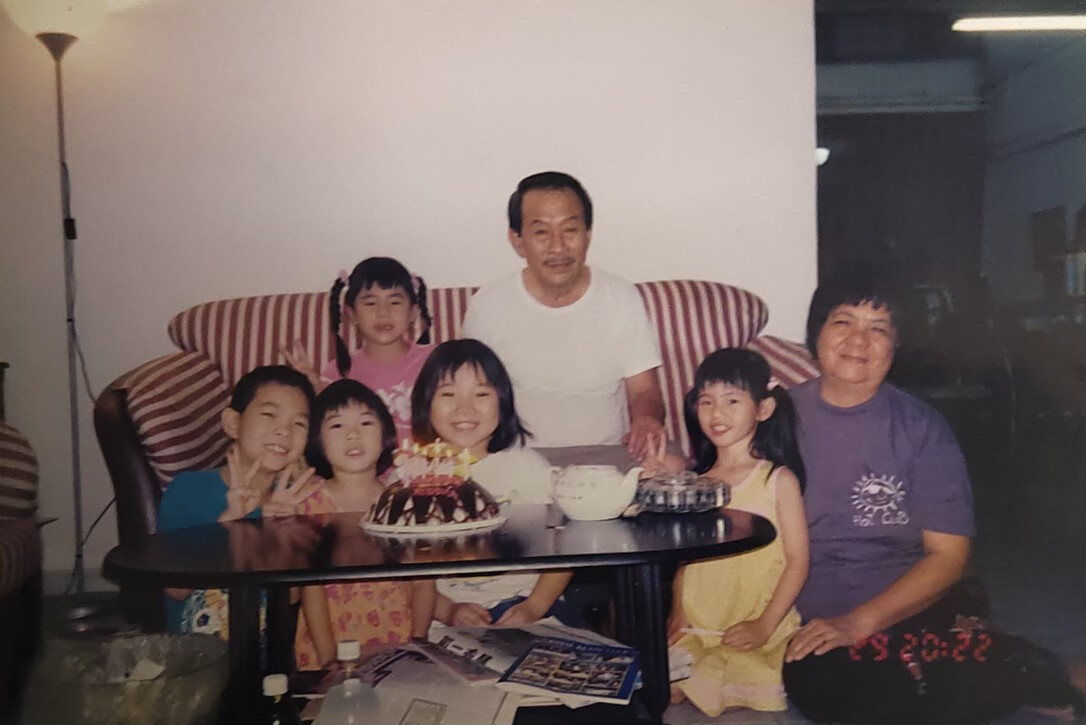
I am the eldest of four. Surprisingly, my parents were not strict about academics at all. Most of my friends find that shocking. I pushed myself because I was competitive.
When my parents corrected me, it was usually about values: treating my siblings kindly, being fair, doing the right thing. They focused more on character than grades, and that definitely shaped how I lead today.
Q: For those new to Parcel Health, what does your company do?
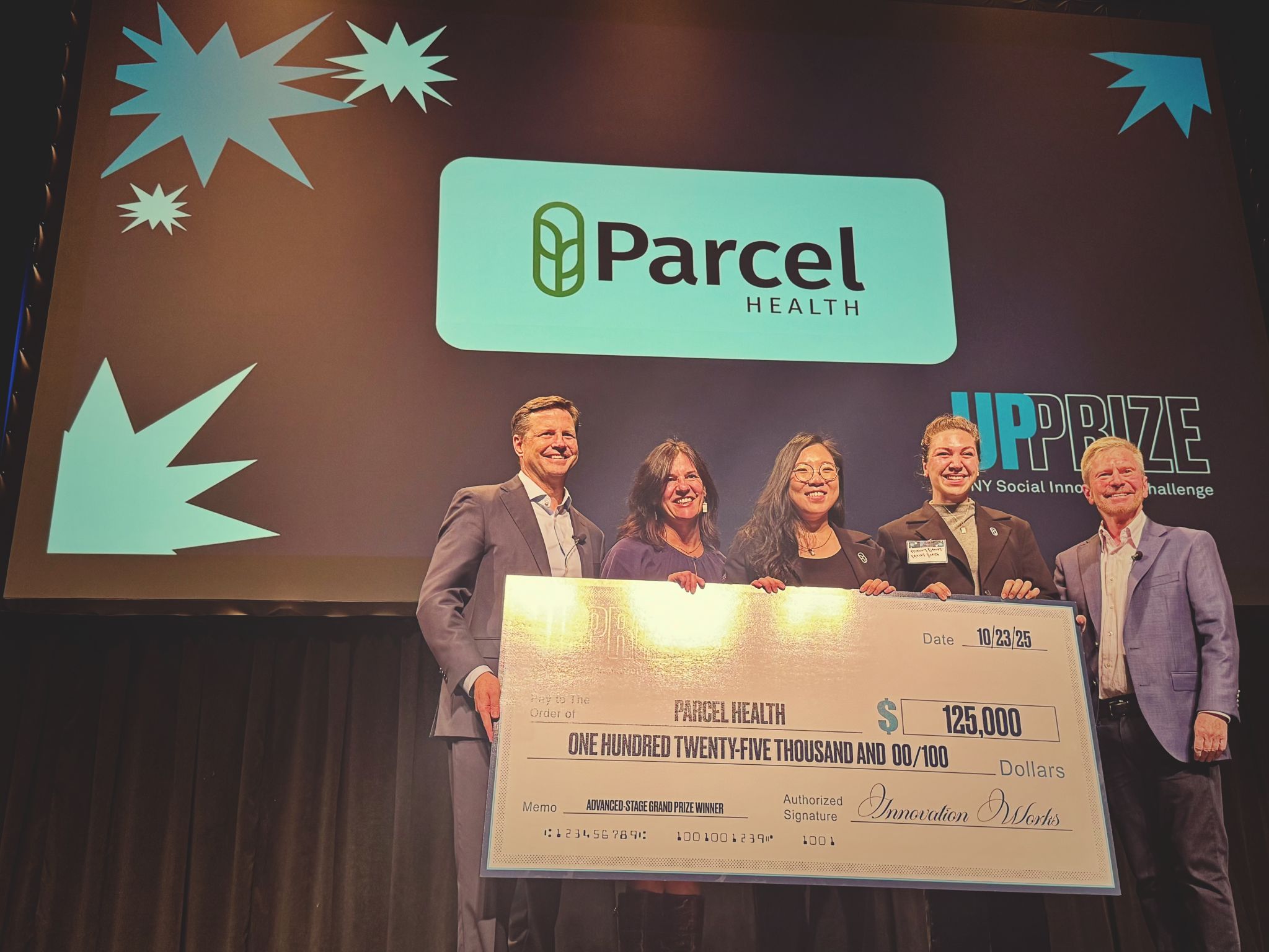
At Parcel Health, we fill medicine cabinets with safe parcels.
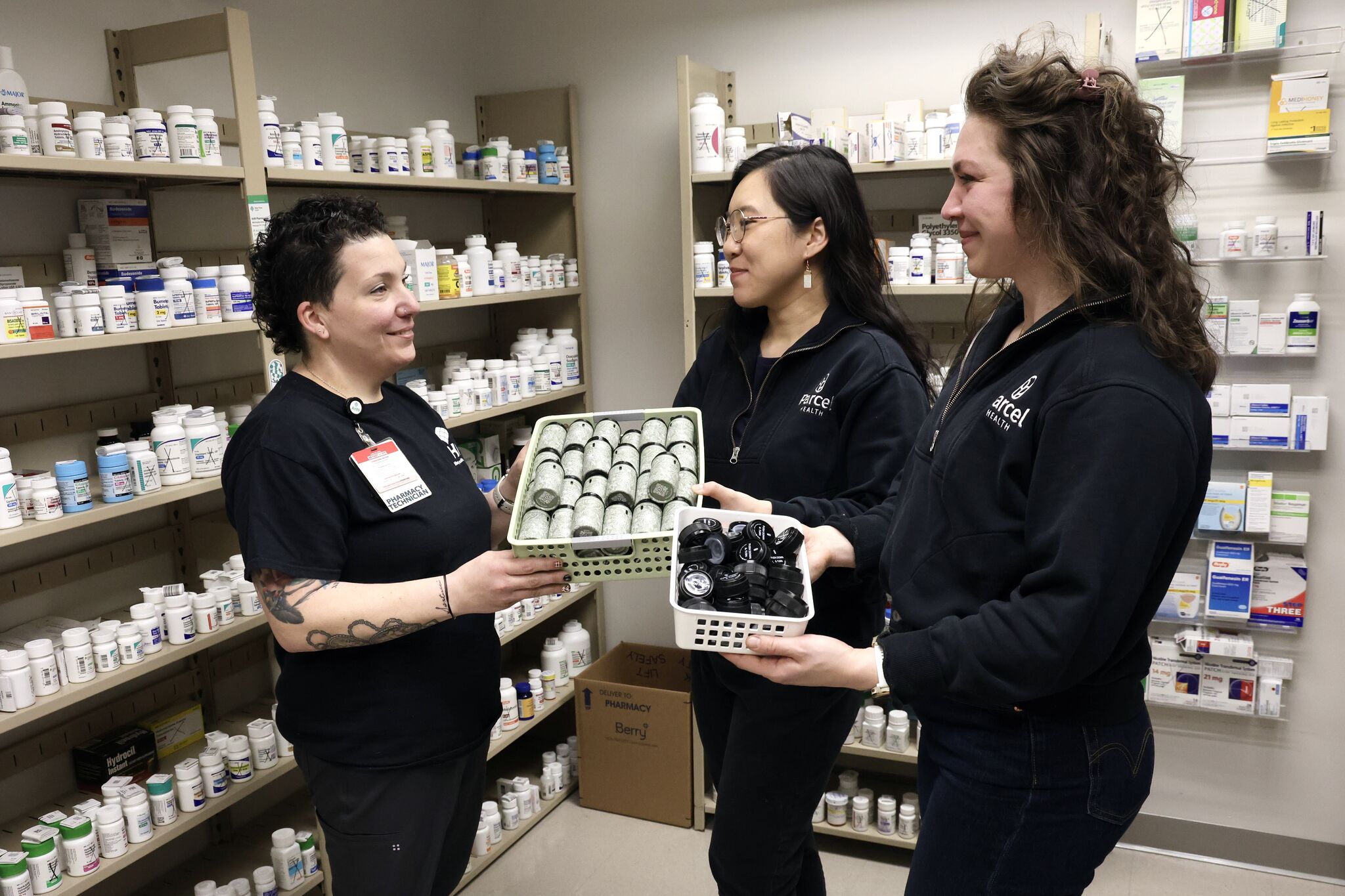
We are replacing orange plastic pill bottles with a paper-based pill bottle called the Tully Tube. When you leave the pharmacy, instead of a plastic bottle, you leave with a paper-based one.
Q: What makes the Tully Tube so unique?
The Tully Tube is regulatory compliant. It is humidity-resistant, water-resistant, and completely light-proof when closed. Our largest size uses up to 71 percent less plastic.
It is also very sturdy. People hear ‘paper’ and think it is flimsy, but the Tully Tube is sturdier than plastic. You can toss it in a bag and it holds up.
And because it is made of paper, it is much more environmentally friendly. Paper is elegant as a material. It functions well, prints well, and biodegrades.
Q: Did your childhood spark your passion for sustainability?
Yes. In primary school, pollution was a big topic. There is one photo that stuck with me: a beautiful city full of skyscrapers, and right next to it the industry polluting the air to keep that city running.
When I was about 11, my teacher brought me to volunteer at a recycling site. This was before we had sorting. People would bring mixed trash and my job was to sit by the roadside and sort plastic, paper, and garbage by hand. I did that for years.
Years later, as a pharmacist, I was dispensing thousands of plastic pill bottles, knowing that a lot of U.S. plastic waste gets shipped to Malaysia for processing. It felt horrible to think I was contributing to that.
Q: How did you get into pharmacy?
I always knew I wanted to go into the sciences, something biological or medical. Pharmacy was the one I landed on, and I loved it.
But this pill bottle problem would not leave me alone. I would dispense a bottle and think about it. I would learn about packaging regulations and think about it. I would see reuse models in other industries and think about it.
I thought, if a pharmacist does not step up to solve this, it will not get solved. Pharmacists understand the workflow and regulations. It felt like a uniquely pharmacist-shaped problem that matched what I cared about.
Q: What challenges did you face early on?
In the beginning, it was discouraging. People in pharmacy would say, ‘Nobody cares about pill bottles. They are cheap. Patients do not care if they are plastic. Just focus on your pharmacist career.’
But there were also pharmacists who had started companies who said, ‘That is a unique problem. It is worth solving.’ I chose to listen to those voices.
We tried different products at first that did not fully solve the problem. But we stayed focused on eliminating plastic pill bottles. When we launched the Tully Tube, it finally clicked.
Q: How has Catalyst supported your growth?
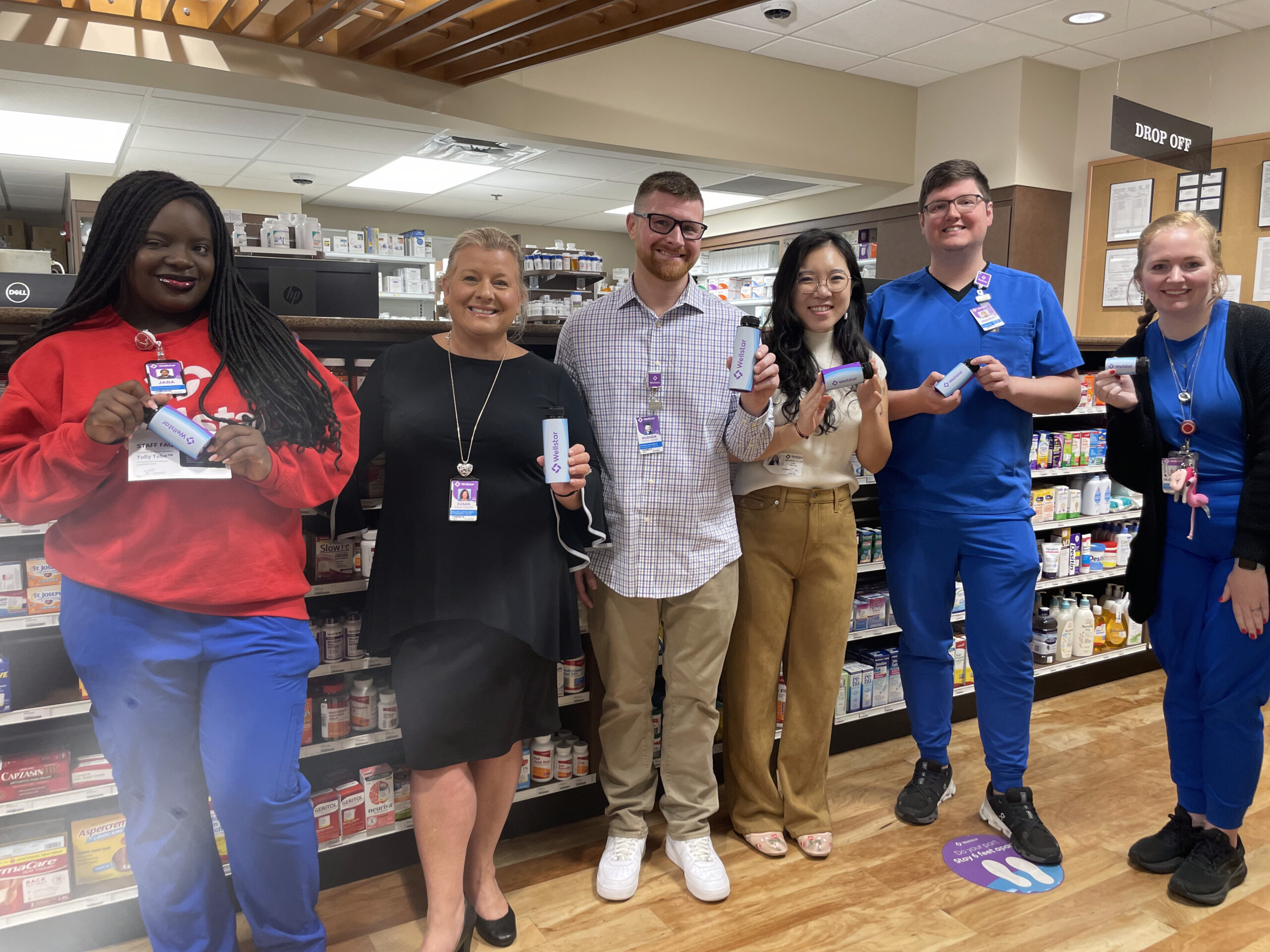
I love working with Catalyst. They provided investment, but they also provided the healthcare and pharmacy teams who give us feedback and a place to pilot the product.
They are both an investor and a partner. They genuinely want us to succeed and to integrate well into health systems. That kind of support is rare.
Q: What is your long-term vision for Parcel Health?
We are on a mission to fill medicine cabinets with safe parcels.
Our first step is reducing plastic in medication packaging. Ultimately, we want to eliminate unnecessary plastic from the entire healthcare supply chain.
You should not have to choose between safety, usability, and sustainability. We want to prove you can have all three.
Q: Any advice for someone dreaming of starting a company?
Pick a problem that will not leave you alone. On the hard days, that is what carries you. If it keeps tugging at you no matter what you are doing, that is probably the one.
Q: What does your family think of your work now?
At first they were surprised. They were like, ‘You are graduating from pharmacy school, why start a business?’
But eventually they realized it fits me. I grew up in a family of small business owners. Everyone started their own business and ran it until retirement.
So in a way, I am carrying on the family legacy, just through a company that blends my love for medical science, my Malaysian roots, and my commitment to sustainability. And yes, they are proud.